Occupational Therapy helps individuals perform their daily life tasks. We consider our daily activities, such as dressing and eating, pretty easy, but for some people, performing these basic tasks might be very difficult. Occupational therapy helps such individuals manage their daily activities and routines. It also addresses serious issues like ADHD, anxiety disorders, and autism. Children with developmental delays and physical inabilities can also benefit from Occupational Therapy.
Occupational Therapy for Children
Although children are naturally innovative and fast learners, some might not be able to catch up to the mark. They may face challenges in performing basic activities, such as playing, talking, or dressing. They may not be able to eat their meals by themselves.
Does My Child Need Occupational Therapy?
Some children also struggle to learn new things, and as a result, they may perform poorly in school. They cannot write properly, do not interact or engage in extracurricular activities, and quickly become exhausted. As a parent, there is nothing more important than the physical and emotional well-being of your children, especially in their tender years.

What to Do If Your Child Needs Occupational Therapy?
In these circumstances, it may be helpful for your child to seek therapy. New and unfamiliar experiences are challenging, but seeking out therapy may bring the support you need for your child’s growth.
Another very important thing is how you react to your child’s condition. First of all, it can help to be hopeful that you are finding the right support for your child to develop the skills necessary to master normative or adaptive behaviour. It will benefit you and your child to gain a thorough understanding of their condition and establish a healthy bond that makes them feel at ease around you and themself.
If they don’t show a willingness to participate in therapy, it’s your responsibility to take the first step. Sometimes, therapists offer home services or parent coaching to provide you with the best treatment in the comfort of your own place. Your participation in the therapy is equally important so you can understand his thoughts and emotions.
Read More About: Why do People Go to Therapy?
How Occupational Therapy Can Help?
If your child has developmental issues like sensory processing delays, coordination issues, and disorders like ADHD, autism spectrum disorder, Down syndrome, etc., occupational therapy can help support skill development. For example, if your child struggles to use both hands together while playing and is unable to perform simple tasks, such as tying their shoelaces or buttoning their shirt, it may be a sign that they need occupational therapy.
OT mainly focuses on goals like:
- Self-care and hygiene involve teaching your child to dress properly, brush their teeth, use the toilet, and perform other essential skills.
- Socializing: improves a person’s ability to interact with others and participate in healthy activities.
- Sensory processing enhances the ability to focus through activities such as catching and balancing.
- Motor skills: teaches how to use utensils for eating and how to hold a pencil for writing.
In this modern age, life has become increasingly challenging for us, and sadly, for our children as well. The need for therapy does not mean you are not a good parent or that you are unable to provide emotional support to your children. It is just as normal as needing a doctor when your child suffers from a cold. Our kids face many more challenges than we did. Moreover, they are exposed to more evils, both on social media and in real life.
Why You Should Take Your Child to an Occupational Therapist?
Occupational therapists also deal with disorders like autism, ADHD, and other learning disorders. Children are not fully mature enough to understand and express their emotions. They might be unable to process some events. At this point, most children are unable to articulate their feelings. A professional therapist helps your child cope with their hardships, providing them with a clearer vision and enhanced mental clarity.
Occupational therapy can become an important addition to your child’s development. Developmental and neurological disorders come with life challenges. Therapy empowers you and enhances your skills to tackle these problems of daily life.
Professional therapists set suitable goals, specifically tailored to the client’s needs. As sessions progress, you feel more confident and lively and can develop healthy interactions with your loved ones.
How Occupational Therapy Works
Initially, going to therapy can be hard, and your child might show extreme behavior. This is because the idea of talking to a stranger won’t fit into their mind. However, it is your responsibility to take the difficult step, as these issues can only be effectively treated with the help of a qualified professional. Here is how therapy goes step by step.
● Identifying the Problem
A complete history of what is going on with your child is the primary step. A professional therapist employs various techniques to assess what occupies their mind and what is drawing them away from thriving in life.
● Customizing the Treatment Plan
A professional therapist analyzes the problem and creates a specialized plan targeting what is needed the most. It involves treatment using strategies suitable for you and based on what you want to achieve through therapy. This specialized treatment strategy has proven highly effective.
● Setting Suitable Goals
A therapist sets suitable goals, such as participating in extracurricular activities and developing interaction with others, that help children gain valuable skills and boost their confidence. It is vital to set easy-to-achieve goals, as they provide a sense of achievement and give children the motivation to undergo therapy.
● Learning Activities
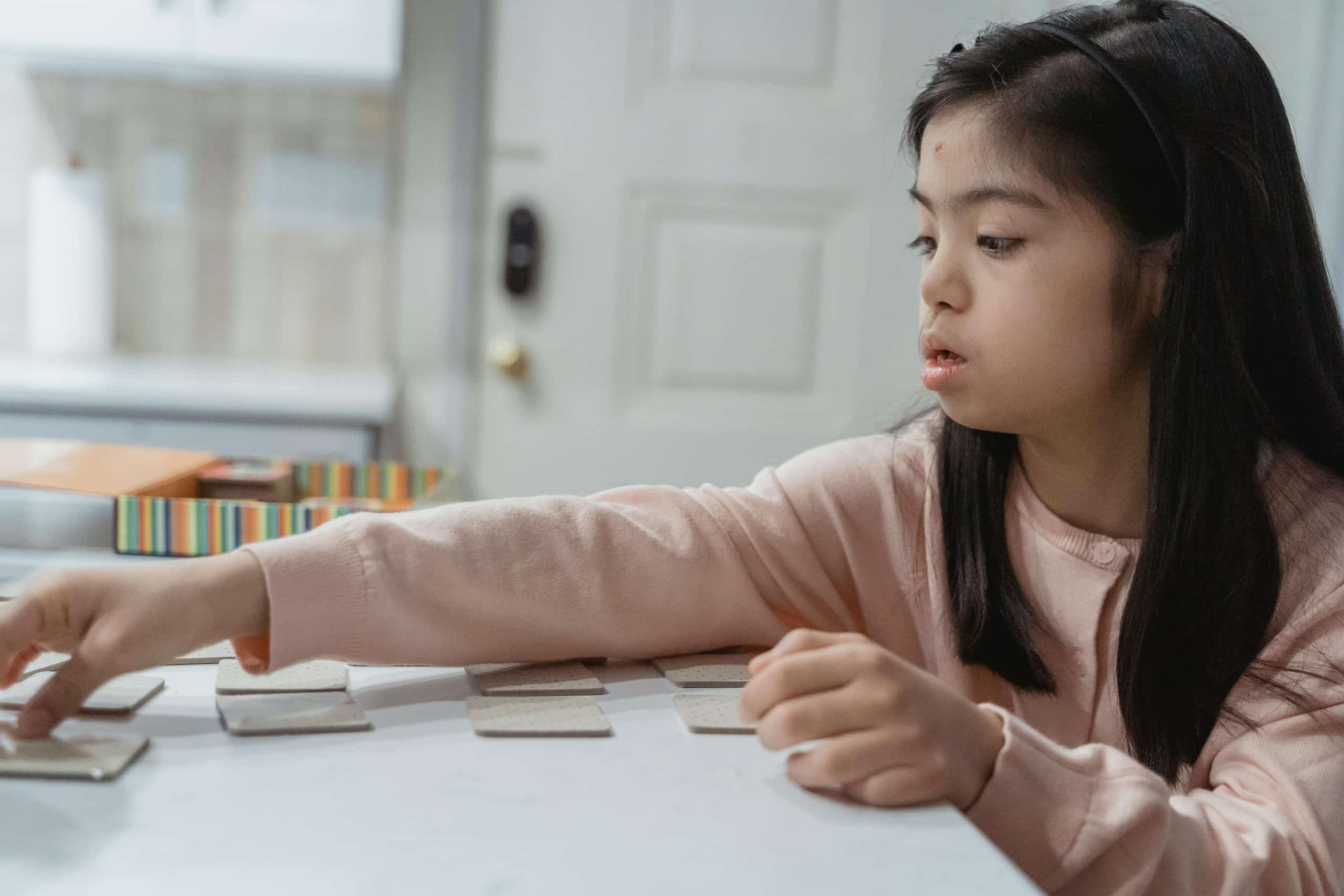
As the children struggle to perform basic daily tasks, an occupational therapist engages them in multidimensional physical activities. He encourages them to participate in various physical exercises, such as jumping and catching, to improve their coordination. The therapist also helps them to read and write. He teaches them to interact with their family and friends.

You May Also Like: What to Talk About in Therapy
Conclusion
The key to success is having patience and being consistent in therapy. The journey can be challenging and exhausting, but it provides you with skills to survive and enables you to excel in every domain of life.