Relationship trauma comes from a relationship that causes a great deal of hurt. A traumatic relationship usually consists of one or a combination of these problematic issues, such as abuse, betrayal, neglect, manipulation, or open and constant conflict with someone you trusted.
Relationship trauma can affect family relationships or even be inflicted by a caregiver during early childhood. It is not only the harm, but also the fact that it came from someone who was supposed to be completely trusted, that makes it one of the worst life experiences.
Why do we say so? Because it is a rather tricky situation. Many do not realize at first that they are dealing with relationship trauma. People in a traumatic relationship often think they are just anxious, oversensitive, quote unquote, just bad at relationships.
Therefore, relationship trauma can leave a strong mark on the mind and body. It changes expectations regarding trust, intimacy, and self-esteem. Healing is possible, but it normally requires time, nourishment, and support.
Also Read About: How to Overcome Childhood Trauma
What Is Relationship Trauma?
Relationship trauma is an emotional injury caused by a damaging intimate relationship. This can be through lies and deceit, actions, or words that destroy the feeling of safety within a relationship. It can include emotional abuse, physical abuse, sexual abuse, control, gaslighting, cheating, abandonment, or extended neglect. Sometimes it happens in childhood; other times, later in adulthood.
This trauma is particularly powerful because human beings are hardwired for connection. The lack of attachment to an infant or child emotionally harms him and severely interferes with his development.
If the person who is supposed to provide care is the one inflicting harm, then the nervous system is left baffled. The mind assumes that closeness will only lead to more pain, so it stays on alert, guarded, or sometimes shuts down completely.
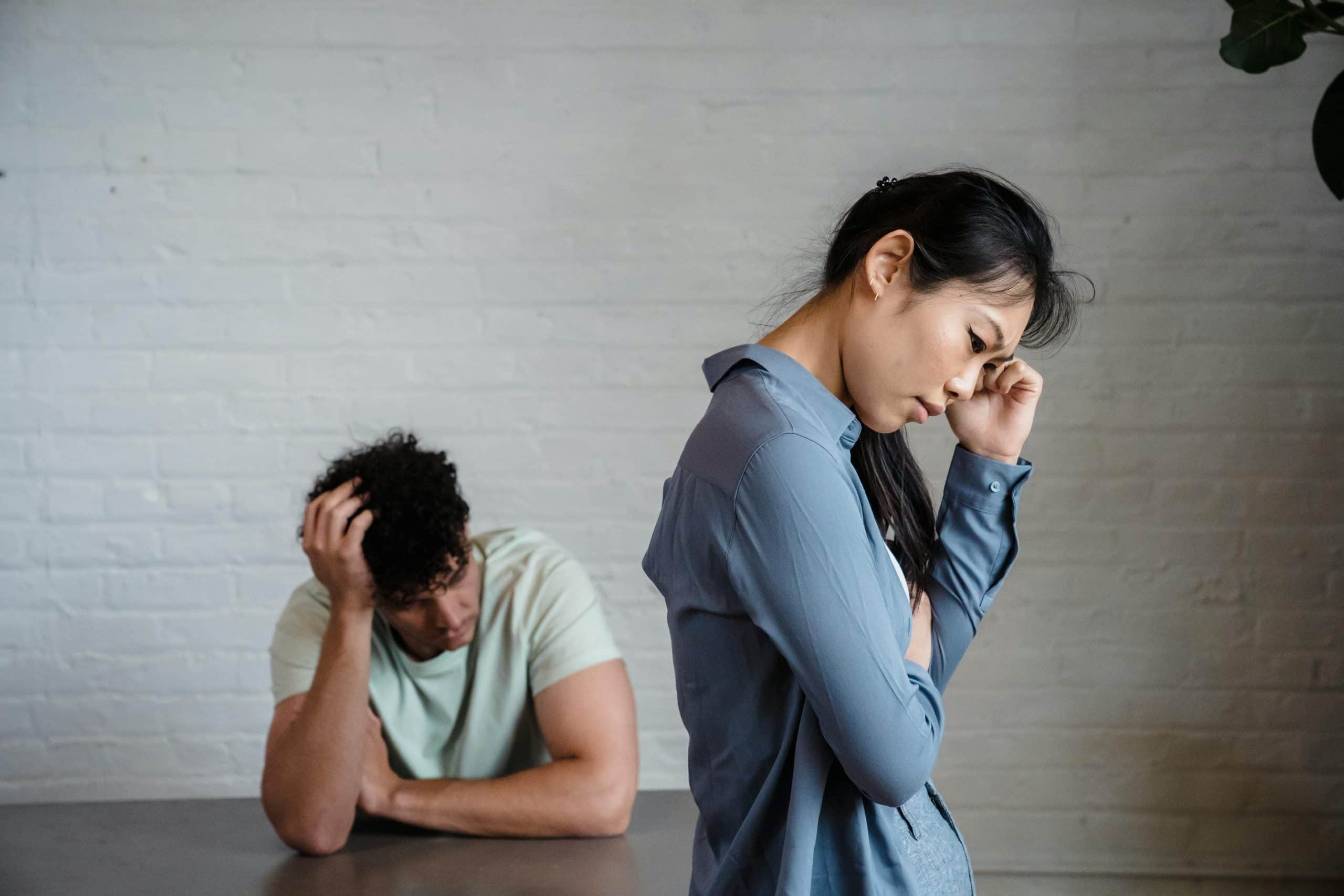
Common Signs of Relationship Trauma
There are several signs of relationship trauma. Some are constantly anxious; still, others become numb or detached from themselves. Some feel very clingy in relationships or avoid closeness entirely. Many people fixate on one, then switch to the other, before a short period of time has passed.
Common signs might include fear of intimacy, mistrust of others, sudden anger/shame, panic, insomnia, headaches, stomach pain, flashbacks, and heightened emotional responses to minor stimuli. Common signs can include fear of intimacy, trouble trusting others, sudden anger, shame, panic, sleep problems, headaches, stomach pain, flashbacks, and strong emotional reactions to small triggers.
Why Relationship Trauma Feels So Bad
Relationship trauma is difficult because it has effects on emotion and biology. The brain and body have a store mechanism for experiences of danger. If a damaging relationship repeats itself, the stress system remains activated for too long.
The body may also remain strained and at readiness for retreat, even when no harm is being done to the individual in the present moment.
This is one reason relationship trauma can be so confusing. A person may know that they are safe now, but their body still reacts as if the harm is happening again. An angry facial expression, a certain tone of voice, or a delayed reply to a text message can trigger an old fear.
The brain is trying to protect the person, but it is using old road maps that were built in the past. That is also why healing requires more than willpower. People are not just “overthinking”; their nervous system may associate danger with closeness.
This is the reason why healing takes more than willpower; people are not just “overthinking,” their nervous system has learned that closeness equals danger; that is also why therapy helps build new patterns so the body and mind can begin to feel safe again.
How Therapy Helps in Dealing with Relationship Trauma
Therapy provides a space for people to decelerate, reflect, and take stock of what has transpired. Therapy allows people to step back and interpret the experience. A competent psychotherapist points out the patterns, emotions, somatic manifestations of distress, assumptions, and core beliefs created by the trauma.
Therapy is beneficial in helping because it provides an entirely novel experience. Instead of being ignored, judged, or controlled, the person gets to be heard with care. That by itself can be healing. This can help retrain the nervous system to understand that not all connections and relationships are harmful.
Different therapy methods work differently. Some therapies focus on memories while others focus on thoughts. Similarly, some work through the body and others focus on attachment and trust. Often, the best care is a combination of approaches.

Types of Therapy That Help in Dealing with Relationship Trauma
Trauma-focused therapy can also help individuals safely revisit traumatic memories. But why do we need to revisit the traumatic memories? This is crucial to understanding the exact triggers. It further helps in naming those traumatic experiences, which essentially helps in controlling and eradicating them. Trauma-focused therapy allows people to desensitize themselves to traumatic memories, and cognitive therapy can help challenge non-substantial relationship beliefs.
What Recovery Often Looks Like
Recovery is never linear. There are good days and hard days. Some memories can come back after a few months, once you feel better. But that does not necessarily mean healing has been a failure. Rather, it means the nervous system is still processing what it has learned.
FAQs
What is Relationship Trauma?
Relationship trauma is best defined as the psychological damage caused by the breach of emotional security in a relationship.
Can therapy help to cope with Relationship Trauma?
Therapy, which is specifically curated towards dealing with relationship trauma, can help make sense of triggering reactions. It helps calm the nervous system and build new webs of connection.
Conclusion
To sum up, a relationship trauma is among the worst life experiences one can have due to its attack on very deep emotions. A properly guided relationship trauma therapy is crucial to help a person get out of their relationship trauma.
While getting relationship trauma therapy from Boomerang Counselling Centre, many people feel that, over time, they have become less reactive, more grounded, and more able to trust their own judgment. They begin to insist on boundaries, pick a better partner, and feel at ease in their own bodies. It’s not speedy work, but it is significant work.