Trauma, in a broader sense, is misunderstood by many people. It is not just the emotional state of facing something serious that was devastating. Rather, it can be a condition in which a person becomes a victim of shocking events one after another throughout their lifetime. Another misconception is that people who might haven’t experienced trauma in its full swing assume that it heals naturally, or it cannot happen to everyone. If you are seeking ways to heal from trauma, continue reading this article.
The truth is, trauma is more like an ailment that requires a proper and safe fix. The person in an emotional state of trauma fails to understand that their way of thinking and socialising has been changed drastically due to their trauma. They might consider it normal, while those who know them have painted a very different picture.
Just like a physical ailment, knowing trauma is a first step towards healing it. Doing this realises the person in trauma that you have to course-correct your path to get out of a situation when nothing is helping them.
If you are connecting with the situation, keep reading this post to understand proven ways to heal your trauma.
Also Read About: What is Trauma Dumping
What Is Trauma?
Trauma is an emotional trigger towards a very upsetting, profound life event. Essentially, it can be one big, overwhelming life event or a series of events, but the trigger often strikes once it stays and grows over time.
Events like losing your loved one, it can be your family member, even your pet, or a constant chain of abuse or a big betrayal from someone at your end. These happenings are undoubtedly overwhelming and create an environment in which a person delves into trauma.

What is it like to be in the State of Trauma
Trauma feels like a permanent scar, just like damaged glass. It is very natural for a person in trauma to feel there is nothing that can fix the emotional state. They can be in a constant state of hopelessness and exhaustion. The body still feels vulnerable even though that traumatic event happened long ago.
These feelings have a drastic impact not only on emotional state but also on the body. And when the body is neglected, it becomes a constant negative loop that keeps one in a devastating self-harm cycle.
It affects your daily life, sleep quality (some nights will be restless, while at times you will oversleep), relationships, and memory. A person in trauma is not just stuck in their life, but also starting to harm what they have or have achieved.
What Is Trauma Bonding?
Do you know what is worse than trauma? It is a state in which you actually accept your situation; instead of trying to reverse it, you find peace with it. That situation, in simple understanding, is known as Trauma Bonding.
It happens when a person in a toxic living situation still sometimes gets a moment of bliss, some kind words, a sense of security, or what is called ‘affection’ from a person or a household. The pattern can be confusing, but makes sense from a pov of a traumatic person who has their horizon blurred out.
People in trauma bonds may feel stuck, loyal, confused, or emotionally trapped. They may know the relationship is harmful, but still feel unable to walk away. This can be deeply painful, but it is important to remember that the bond can be broken with support, time, and safety.
What Does Trauma-Informed Mean?
Trauma-informed is a state where you can not just define a person’s trauma, but also know how to deal with it. It is a mind shift that affirms how to handle trauma healthily. It is a technique for understanding a traumatic person, even when their behaviour isn’t helping.
This guided approach navigates to the psychology of a traumatic person to understand what happened to them. It is more like penetrating deep into a traumatic person’s mind instead of just scratching and itching like others do to a person in trauma.
You May Like: What is Intergenerational Trauma
What are the Conditions
A well-trauma-informed person is usually a trained counsellor. They know that to treat a traumatic person, it requires the best safe environment. A counsellor moves at the pace at which a traumatised person feels secure and less exhausted without any external pressure.
Counsellors perfectly understand how to manage a person facing trauma and how to make the situation easy for them, eventually leading them out of the situation.
How Can You Heal from Trauma?
Healing from trauma takes time. It is usually not a straight path. Some days may feel better than others. That does not mean healing is not happening. It means the process is human.
The First step of Healing from Trauma is Safety.
A person needs to feel safe enough, both physically and emotionally, before deeper healing can begin. Suppose there is ongoing abuse or danger that must be addressed first. Without safety, recovery is much harder.
The Next step of Healing from Trauma is Support.
Trauma can make people feel alone, but healing grows stronger when they are not carrying everything by themselves. Talking to a trusted friend, family member, counsellor, or support group can make a big difference. Being believed in and supported can be deeply healing.
Learning coping skills is also important. Grounding exercises, deep breathing, gentle movement, journaling, and calming routines can help when emotions feel too big. These tools do not erase trauma, but they can make it easier to stay steady in the present moment.
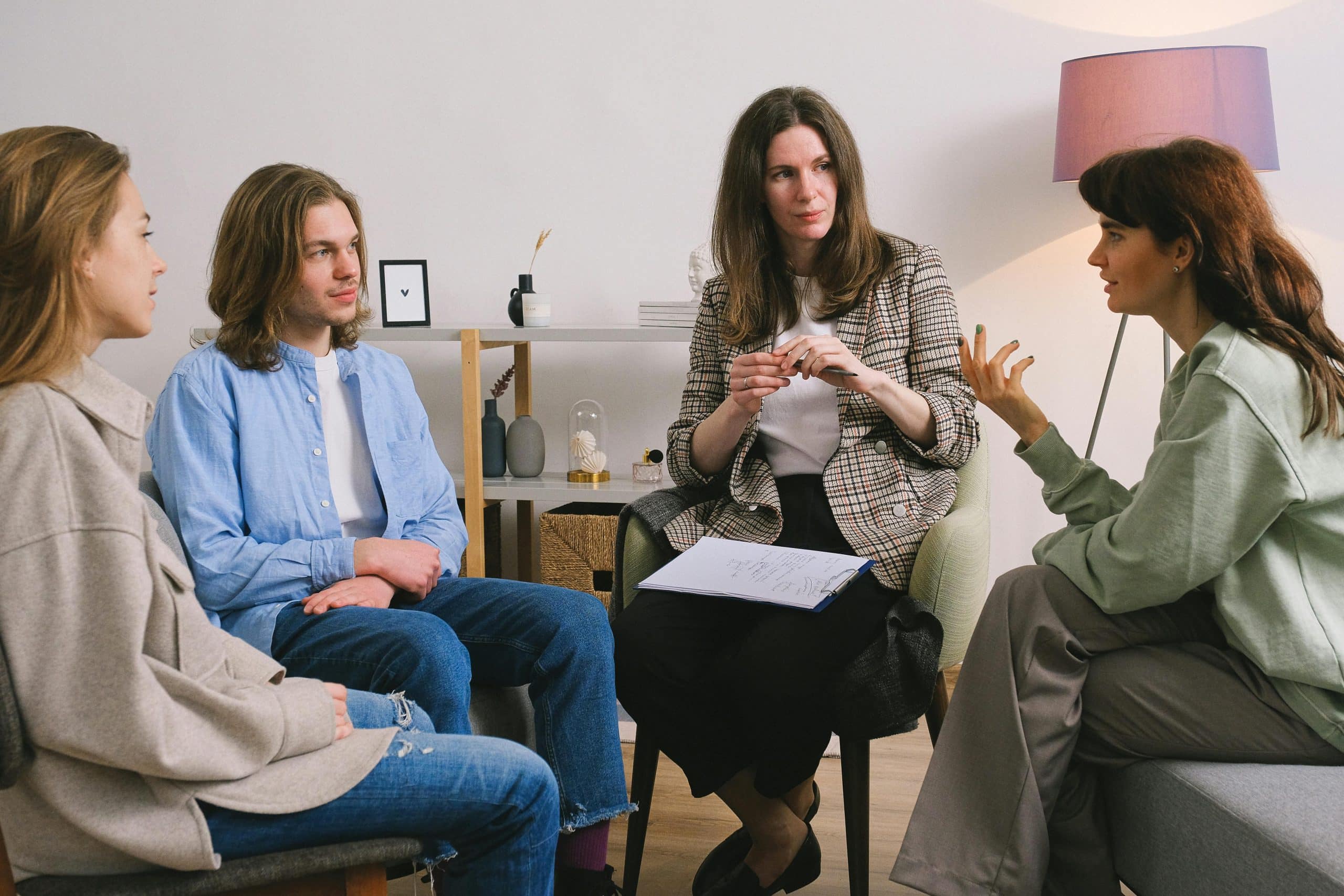
Seeking A Professional Approach to Heal from Trauma
Professional therapy can be very helpful, too. Trauma-focused therapies are designed to help people process painful experiences in a safe and guided way. A good therapist will not rush the process. They will help the person build stability first, then slowly work through the trauma when the person is ready.
It also helps to be kind to yourself. Many people with trauma blame themselves for what happened. But trauma is not your fault. Healing becomes easier when self-blame is replaced with compassion.
Healthy habits also support recovery. Sleep, food, movement, rest, and routines can help the nervous system feel more settled. Avoiding alcohol or drugs as a coping method is also important because they often make trauma symptoms worse over time.
Final Thoughts
Trauma can change a person deeply, but it does not have to define the rest of their life. Trauma bonding can make unhealthy relationships feel hard to escape, but those bonds can be broken. Trauma-informed care offers a safer and kinder way to support healing. And recovery, while not always easy, is possible. If you are struggling to heal from trauma, consider visiting the Boomerang Counselling Centre in North Vancouver for Trauma therapy.
Healing begins with understanding. It grows with safety, support, and patience. No matter how long trauma has been carried, there is still hope for relief, strength, and a healthier future.