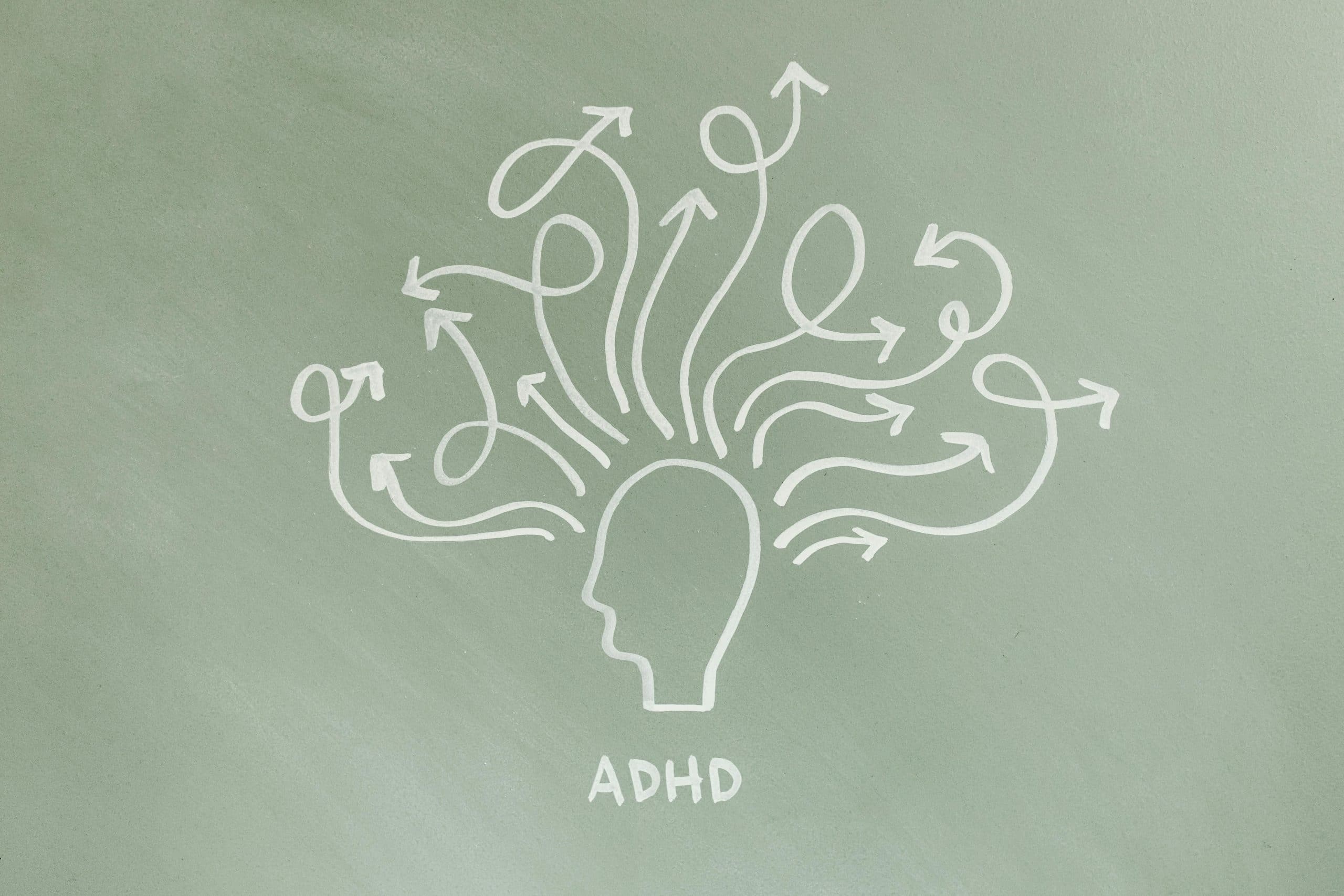
Let’s discuss ADHD. A person experiencing a constant power rush, having difficulty focusing, and making impulsive decisions. It isn’t something people might mistake for an unwise mind, but it is a pattern that tells a different story: a neurodevelopmental condition. And before you jump in, yes, it is totally manageable. This article discusses all the important information you need to know about occupational therapy for ADHD.
ADHD is among the most misunderstood medical conditions among the general public. As a result, the life of an ADHD person becomes much more challenging when not understood. Understanding and managing. ADHD is very crucial; one can’t stress enough.
The life of an ADHD individual is rather a tilted stage where they are most of the time juggling with their emotions and their brain hyperactivity or underperformance. Due to their circumstances, their disorder not just impacts their emotions, but also their self-esteem, school, work, and relationships. If you have ADHD or know someone who does, consider this article a significant step towards getting help.
Why Understanding ADHD is Important
Post-pandemic, there is a very high surge in the diagnosis of ADHD among people. The situation is particularly prominent, including if we look specifically at North Vancouver. So this can be helpful information.
But the good thing is that you are now aware of it. It is a valid point to get yourself or maybe your loved ones to ADHD therapy if you can track the symptoms. This can bring relief and gratitude!
What Is ADHD Therapy?
ADHD therapy is support to help a person with ADHD. It doesn’t “cure” ADHD. Rather, it helps a person understand their symptoms and how to manage them in day-to-day activities. It can improve planning, organization, routines, emotions, motivation, and self-confidence.
As we mentioned earlier, ADHD is often mistakenly thought of as being distracted or hyperactive. But it impacts more than focus. Essentially, it affects people differently from person to person. For example, it is typical among some with ADHD to frequently lose items, forget steps, interrupt others, or feel “swamped”.
It Manifests Differently
While it is also common for some people with ADHD to make them seem quiet and composed, on the inside, they experience inattention, fidgetiness, or frustration. Therapy can help bring awareness and management of these struggles.
ADHD therapy extensively covers information on the disorder and provides proven skills training to deal with the psychological aspects of ADHD. Some also take medication to help them with the symptoms. Knowing ADHD coping strategies significantly helps make the most of therapy.
What is Occupational Therapy for ADHD?
ADHD therapy is usually simple, practical, and individualized. The therapy may involve support with planning, routines, time management, and stress management, and includes thorough communication. Even more so, ADHD therapy brings understanding and validation, and a sense that one is not flawed. Their brain just has a different way of doing things. ADHD therapy also includes treatment for anxiety or depression, which often occur with ADHD.
Therapists sometimes help people divide a task into smaller parts. That can make work, school, or home tasks less daunting. They can teach people to use alarms, calendars, reminders, checklists, and other planning tools better. These can be big helpers.
But most importantly, understanding how your mind works and incorporating what can help and what can forgive can help settle some of the symptoms that bring daily disruption in behaviour or in mental well-being.
Remember the ‘understanding’ part? Therapy can also help clients understand the emotional issues related to ADHD. As mentioned earlier, due to differences in ADHD symptoms, a lot of adults with ADHD feel lazy, irresponsible, and “not good enough” when they were growing up. This can cause shame and low self-esteem.
A therapist can teach you to be less critical and more accepting of yourself. This is part of the recovery process, not just that!
Can Occupational Therapy Help with ADHD?
Yes, occupational therapy can help with ADHD. Occupational therapy is all about making life easier. For a person with ADHD, this could include routines, distractions, time management, and environmental factors, especially for children.
An occupational therapist will examine the impact of ADHD on daily activities. They might work on getting up in the morning, doing homework, completing tasks at work, going to bed, or tidying up a room or an office. This helps make life less challenging. For children, this can help with mind and body awareness and adopting behaviours that help daily functioning.
Catering to Sensory Needs in Occupational Therapy
Sensory needs can also be addressed with occupational therapy. Many people with ADHD are sensitive to sounds, light, movement, or clutter. An occupational therapist might suggest providing a quiet place, taking movement breaks, or using simple strategies to keep the body and mind calm.
For a child, this might relate to play, attending school, and socializing with others. For adults, this may include organizing work, household tasks, stress, and life in general. In each situation, it’s a practical approach.

ADHD Therapy for Adults
Adult ADHD therapy can differ from that of children. Adults have more commitments, greater stress, and developed patterns of behavior. They may have lived with the condition for a long time before seeking help, not realizing why they found life more difficult than other people.
Therapy for adult ADHD often focuses on everyday life. Therapy might involve overcoming procrastination, managing time, avoiding deadlines, addressing emotional overreactions, addressing motivational difficulties, and addressing relationship problems. Anxiety, depression, and burnout are also common in adults with ADHD, and are often a focus of therapy.
Drugs can also be used to treat adult ADHD. Many adults find that medication helps them think more clearly and be less distracted. Psychotherapy then teaches them how to make the most of that focus. When combined with therapy, medication can make people feel calmer and more able to cope.
What ADHD Therapy Can Help With
ADHD therapy can help with all sorts of things. It can help with remembering things, getting started on work, getting things done, controlling feelings, and feeling less stressed by stuff. It also helps with a sense of being “behind”.
For adults, it is proven to make them feel more productive at work, less stressed at home, have stronger relationships, and have increased self-esteem. Therapy will not cure ADHD, but it can help make life easier. That is a very important difference.
Another advantage of therapy is that it can reduce self-blame. A lot of adults who have ADHD feel like they’re lazy or waste time on purpose or that they’re not trying hard enough. ADHD therapy turns hurt into knowledge. With a better understanding of ADHD, the person can learn to harness it instead of struggling against it.
Final Thoughts
ADHD therapy is all about obtaining an expected change. It teaches a person with ADHD to manage their attention and emotions. The treatment helps rewire the brain so a person can organize and meet day-to-day needs in ways that make sense to them. ADHD therapy can be particularly effective for adults in that it provides strategies to cope with their emotional stress.
If you are feeling ready to consider therapy but are not sure, consider Boomerang Counseling Centre. They provide support to those who are looking for occupational therapy for ADHD and other mental health-related issues. They offer counseling that supports emotional well-being, personal development, and daily coping. For adults who are looking for a more practical approach to ADHD, Boomerang Counseling Center can be a good start.