Play therapy is a child-centered therapy that helps children communicate through play rather than words. ‘Play’ is a natural language for most children, especially those who cannot express what they are going through. It is the reason play therapy is so helpful: it reaches children at their developmental stage and provides them with a safe means of communication.
What is Play Therapy?
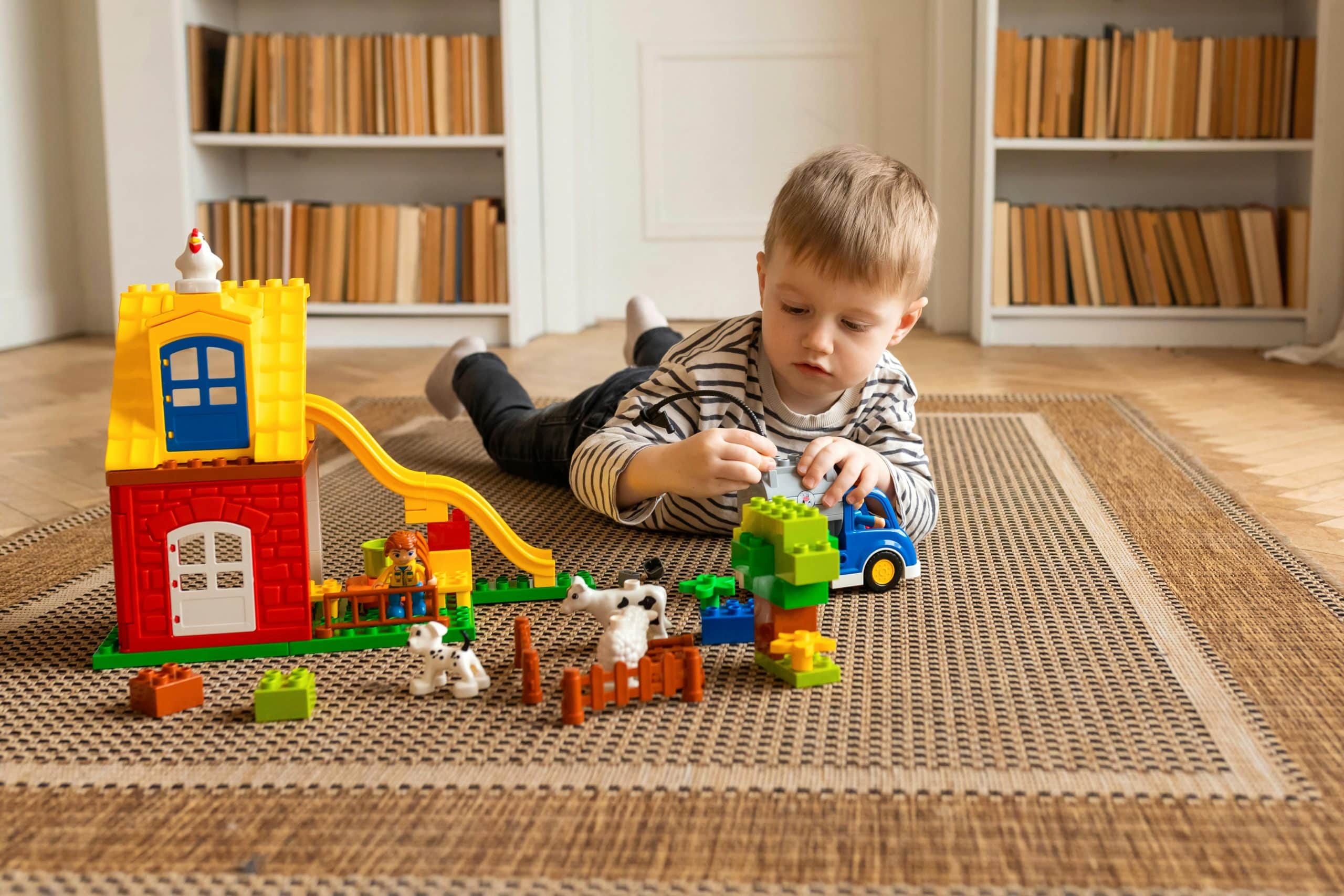
Play therapy uses toys, games, art materials, sand trays, puppets, and storytelling materials to help children express themselves. Children are unable to describe their feelings as adults can. Sometimes, a child might not say they are anxious about school, but they can express it through drawings, figures, or their behavior.
The therapist creates a safe, enabling atmosphere during a play therapy session, allowing the child to explore emotions at their own pace. The environment allows the child to decide what to play with. During this time, the therapist monitors patterns, provides suggestions when necessary, and assists the child in developing a sense of what he is developing during the session.
It is not just meant to entertain the child. It is aimed at helping the child vent their difficult-to-express emotions, process difficult experiences, build coping skills, improve emotional regulation, and strengthen self-confidence.
How does Play Therapy Help in Overcoming Anxiety?
Play therapy is effective because play is one of the most natural ways children express themselves. The therapist does not make a child verbally explain their fear, trauma, or conflict, but lets the child express it through play. This strategy alleviates some of the pressure and helps the child feel more at ease opening up.
The activities that can be used in a typical session include drawing, role-playing, building, storytelling, or acting out real-life situations, using small figures and toys. The therapist observes themes in the child’s play, such as fear, loss, control, anger, or detachment. These themes reveal the emotional problems the child is experiencing.
The therapist then helps the child overcome those feelings in a gentle, encouraging manner. Play therapy is most effective when it is a routine activity. Similar to most counseling, it tends to be more successful in the long run than in a few single sessions. Children need repeated experiences to feel safe, build trust, and take time to resolve what is troubling them.
Can Play Therapy Be Used to Treat Anxiety?
Yes, play therapy is wonderful in treating anxiety problems, particularly in children who may struggle to discuss their anxieties directly. The anxiety among children can manifest itself in forms of clinging, stomach aches, sleeping difficulties, fear of separation, irritability, school avoidance, or excessive reassurance seeking.
Play therapy can be beneficial in many ways. First, it reduces the tension of the face-to-face talk. A child who is nervous about talking to people face-to-face can feel more comfortable using toys, art, and imagination. Second, it provides the therapist with the means of knowing what the child fears, without making the child feel like they are under interrogation. Third, it enables the child to practice coping skills in a secure environment.
Play therapy can be of great use, particularly in cases where anxiety is related to such occurrences as family conflict, bullying, change, grief, trauma, or school stress. Settings like those provide the child with an outlet for working through feelings that might otherwise be expressed as behavior problems or shutdown.
Typical Issues that Can be Solved by Play Therapy
Play therapy is frequently applied to help children who have to cope with anxiety, sadness, or low mood, trauma, anger, and frustration, attachment concerns, social difficulties, grief and loss, behavioral challenges, and family change, e.g., separation, divorce.
It is particularly helpful with younger children; however, older children can use it as well, based on their developmental needs and speaking style.
How to become qualified in Play Therapy?
If you are interested in becoming a play therapist in Canada, the qualification process depends on the professional organization. Generally, qualification has been based on both education, professional training, and clinical practice.
The following steps are common to most of the pathways:
1. Have accomplished a Pertinent Professional background
Play Therapy is a specialized profession typically pursued by practitioners who have received training in counseling, psychology, social work, psychotherapy, or a related field.
Other programs can be entered by related helping professions, and the requirements may differ.
2. Complete recognized Play Therapy training
You will need formal training in the theory of play therapy, child development, therapeutic methods, ethics, and clinical practice. Find an accredited program by a professional organization in your country.
3. Observe under Supervision Clinical experience.
One of the significant components of play therapy training is supervision. This will help you evaluate children, strategize interventions, and ethically work with families. There is a wide range of supervised hours required in an organization.
4. Meet Qualification Requirements
The qualification varies by area of practice. Certain organizations may require a specified number of training hours, supervised practice, and documented clinical experience. Ongoing professional development may also be necessary for others to be certified.
5. Keep Learning
The typical post-qualification training of play therapists is in child mental health, trauma treatment, family systems, and other methods. Good practice is always under development, and continuing education is an aspect of the field.
Can your Child use Play Therapy?
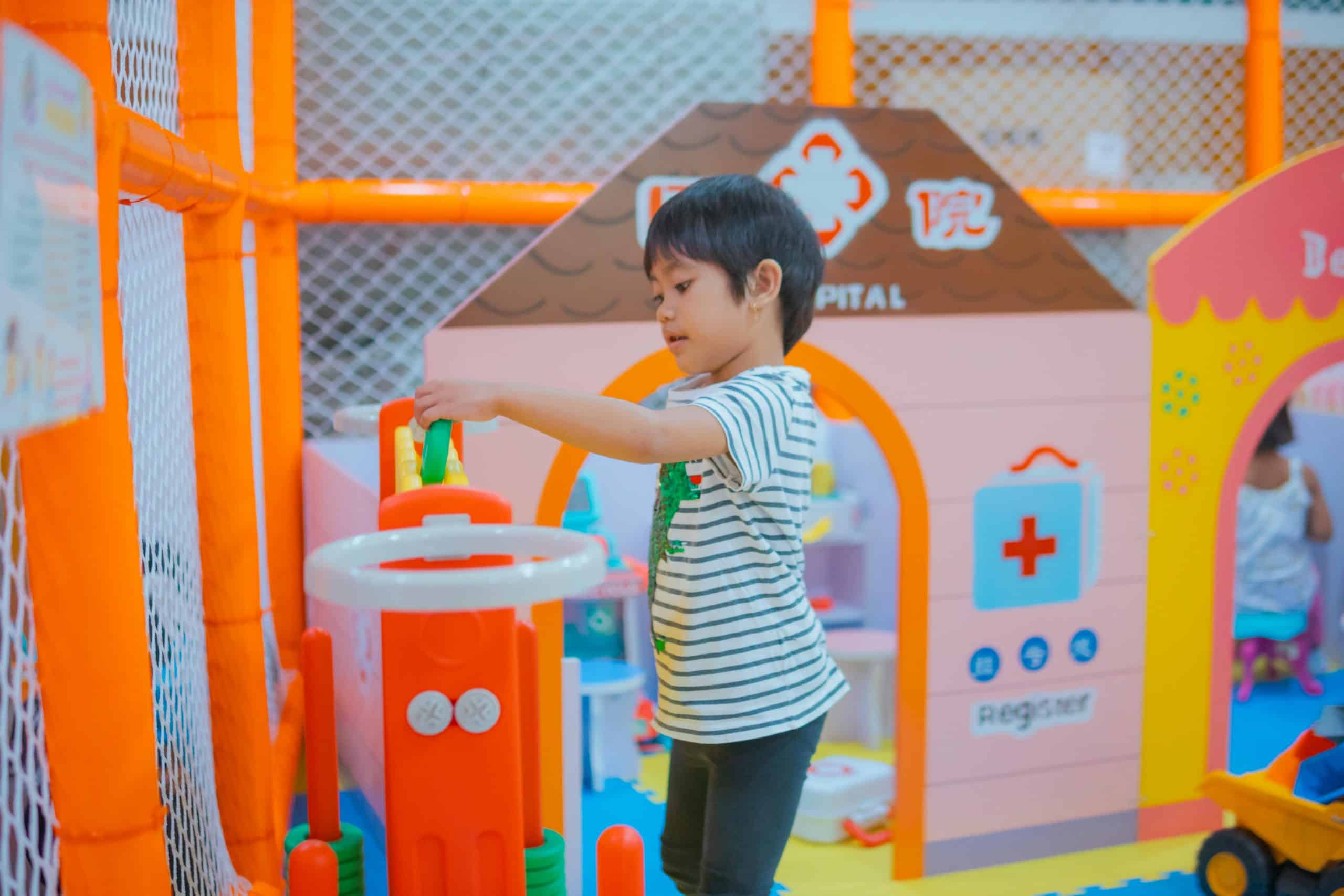
Play therapy can be an option when your child has difficulty expressing emotions and appears nervous, shy, or distressed. Play therapy may be helpful at Boomerang Counseling Center for children who are overwhelmed, anxious, withdrawn, angry, or unsure how to discuss what is happening on the inside.
It is not simply playing games within a room. It is a guided therapy conducted by a trained professional who uses play as a method of healing, expression, and development.
Final Thoughts
The success of play therapy lies in its respectful approach to children’s communication. It provides them with a safe and structured way to explore feelings, process emotions, and build emotional strength. In children with anxiety, it may be particularly useful as it will decrease the pressure and provide the space to heal in a manner that can be manageable.
To parents, it provides a supportive way out when a child is struggling yet may not be able to articulate the reason. It is a valuable specialty for aspiring therapists that involves clinical skills, compassion, and creativity. Play therapy can be an excellent, gentle starting point for counseling if you are researching counseling support for a child.