Drug addiction is tough to confront for both the drug user and those around them. It leads to suffering, anxiety, shattered trust, and fear of the future. The main takeaway is that counselling can play a crucial role in recovery by addressing these complex issues. The article discusses how to counsel a drug addict and help him enjoy a better life.
Counselling provides a person with a secure place to speak, listen, and gradually start to transform. It cannot fix it all in a single day, but it can be one of the most valuable components of the recovery.
In this article, you will learn about the steps of counselling a drug addict and the psychology of a person dealing with a drug addiction. Finally, we will tap into the recovery path for a person dealing with an addiction.
What Does it Mean to Counsel a Drug Addict?
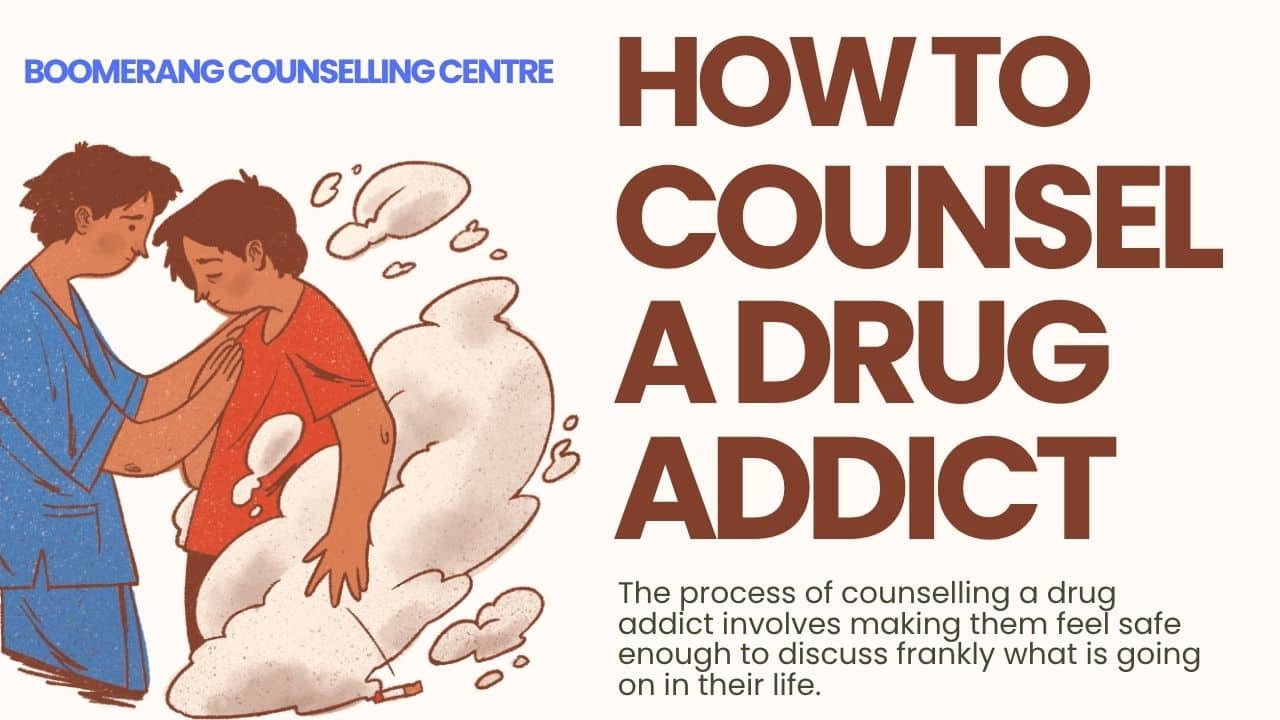
The process of counselling a drug addict does not involve accusing a person or telling them what to do. It involves making them feel safe enough to discuss frankly what is going on in their life.
An effective counsellor is a good listener who asks straightforward questions and makes the individual realize why they use drugs.

-
Reasons Why People Use Drugs in the First Place
People have a reason to use drugs. Some are attempting to get out of pain. Others are stressed, lonely, hurt, or hopeless. Others would wish to dull painful memories.
Apart from these, there are, however, other very neglected reasons where many individuals become addicted due to societal pressures like peer pressure or emotional pressure.
-
Where Drug Addiction Counselling Takes a Part
These reasons are revealed through counselling. When the cause becomes more evident, the recovery can be more easily laid out.
The initial stage of counselling is normally trust. A person with an addiction has usually faced feelings of being judged or not understood. That is why the counsellor has to be gentle enough. They ought to use simple language and allow the individual to talk without any fear.
The reason is that people can transform more easily when they are respected rather than being attacked.
How does a Professional Counselling Centre Counsel a Drug Addict
Counselling can be effective when it is set in a light-hearted, realistic way. This usually begins with listening. Counselling usually follows as an infusion of listening to a person with an addiction, more about their life issues, along with carefully asking them about what type of drugs they have been consuming and noting the frequency.
-
Setting New Goals
Once this is done, the counsellor and the client can start with small goals. These are usually a combination of the reduction of the use of drugs, the avoidance of triggers, regular attendance of sessions, the restoration of trust in the family, or improved stress coping.
The objectives must be practical. Naturally, a big change can be initiated by small steps.
-
Counsellor Ensures Personal Awareness
A counsellor also helps the person to be aware of triggers. The triggers refer to individuals, physical environments, emotions, or circumstances that create a higher urge to use drugs. For example, one can use it when they are lonely, angry, bored, or with friends.
The counsellor can assist in developing a strategy to tackle the triggers once they are familiar with them.
-
Improves Coping Skills
The other valuable aspect of counselling is the imparting of coping skills. An individual can get to know how to deal with cravings, deal with stress, reduce anxiety, or prevent destructive patterns.
Coping Tools:
They can do breathing routines, exercise routines, improve communication, and problem-solving. These are the tools that enable them to stand and handle life without resorting to drugs each time they experience hard times.
Counselling also involves preparing a person for failure. The road to recovery does not necessarily go in a straight line. Some people slip or relapse. This does not imply that they are not doing it well. It implies they require better support and a more effective strategy.
An effective counsellor will help the individual use the setback as a learning experience rather than quitting.
How Effective is Counselling for Drug Addiction?
Treating drug addiction with counselling is a yes. It is not fast, but it is the most effective and long-lasting. The success of counselling can be attributed to the fact that it not only treats the drug use but also the person. An experienced counsellor can play a pivotal role when it comes to counsel a drug addict.
The issue of addiction is not entirely related to drugs in the system. It has to do with feelings, routines, mind, association, strain, and suffering too. The counselling examines all.
An additional factor in its effectiveness is that it helps keep people in recovery. Many people want to quit because they are unfamiliar with coping strategies for dealing with desire, boredom, guilt, or fear. Counselling guides in such times. This assistance will go a long way.
Another aspect is that counselling will be more productive when it aligns with the person’s needs. Some individuals fighting with an addiction feel better with one-on-one support. Others need family support. At the same time, some might need cognitive-behavioural therapy to modify harmful habits and thought patterns.
In contrast, others might require supportive therapy, motivational work, or assistance from a partner or a family member. The various individuals require varied assistance.

What is so Good about Counselling a Drug Addict
As it is a personal, mild, and long-term treatment, counselling can be deemed a wise option. It is not merely a temporary drug detention. It makes someone fighting with a drug addiction know how to lead other lifestyles.
Counselling is a better option because it develops actual coping skills. They acquire skills for responding to stress, pain, and triggers in a healthier way. These abilities are useful and may remain so throughout the rest of life.
Counselling Addresses the Root Causes of Drug Addiction.
What is also beneficial is counselling, as it can cure the underlying issues of addiction. Others are traumatized, anxious, depressed, grieved, or in conflict with a family. Provided that those issues are not addressed, there is a tendency for a recurrence of drug use. It is through counselling that one can have their problems brought into the light so they can be healed.
It is also more humanistic. Very often, the people with an addiction feel embarrassed or isolated. Counselling tells them that they are not disconnected. It informs them that it is a serious problem and can be cured by being cautious and patient. Even just this message will provide someone with hope.
What is Challenging About Counselling, and What Must a Counsellor Do?
Addiction counselling is not a simple task. An individual can refuse to acknowledge the existence of a problem to continue with his addiction. They can be angry, defensive, frightened, or embarrassed. They can miss appointments, relapse, or report that they are not ready to change.
It is calmness that allows a good counsellor to remain unaffected. They do not shame the person. Counsellors keep showing support. They remind the client that change is a slow process. They assist in the individual being reinstated on the plan repeatedly.
One should also be careful about mental health issues. Depression, anxiety, trauma, or suicidal tendencies are other problems facing many people with an addiction.
The Boomerang Counselling Centre is a caring environment that provides support to people with an addiction. They offer supportive therapy, cognitive behavioural therapy, and couples therapy, all of which are likely to assist people in handling the addiction more intimately.
They have also reduced the rate of counselling and free counselling services for children, families, and those who are financially strained. That is why their support is more distant for people who need help but are afraid of the cost.
Final Thoughts
Counselling is one big proven method for a drug addict to get back to a normal life and enjoy the life happenings they have been missing. One common feeling across people with an addiction is that they are deprived of the feeling of being understood.
Through counselling at the Boomerang Counselling Centre, drug addicts feel listened to, know their habits, and create a better future for themselves. Hence, the importance to counsel a drug addict cannot be underestimated. It is not a quick solution, but it can be quite permanent. For many individuals, the true power of counselling lies in providing hope and a way out when life is not going their way.