When you become a parent, it is undoubtedly one of the happiest times of your life. However, it doesn’t always go as you predicted. Just as new moms suffer from overstimulation, changes in hormones, and post-natal disorders, fathers also experience postpartum depression, and it is very real. Postpartum depression in men can affect their mood and functionality during the first year after their baby is born or adopted. Male postpartum depression is termed paternal postnatal depression (PPND).
Just like women, men can have baby blues, which is an adjustment period. They are getting used to sleep changes and new responsibilities and might need intervention.
Male Postpartum Depression Signs
Male postpartum depression manifests in different ways; however, here are some identifiable signs and symptoms. Men experiencing postnatal depression may experience similar symptoms to mothers, such as feeling irritable, easily agitated or stressed, feeling low, inability to experience joy or pleasure, and feeling fatigued.
Moreover, they are also involved in risk-taking behaviours (increased use of alcohol or substance use), trouble concentrating, lack confidence, struggle to sleep, and low or increased appetite. They may also detach from friends and family, experience frequent headaches and stomachaches.
Some symptoms of male postpartum depression are more common in fathers and are more subtle than in mothers. They lack confidence in their abilities as a father, feel ‘trapped’, avoid caregiving activities, act indecisive or overly rigid, and withdraw from social situations.
They may display negative parenting behaviours, like a lack of warmth or responsiveness. Lack of sleep also affects their mood and appetite and increases partner conflicts.
Risk Factors for Male Postpartum Depression
Usually, postnatal depression is associated exclusively with mothers, as they bear physiological and hormonal changes before and after birth.
But often, fathers are not considered at risk by researchers and even physicians, and today we know that one in ten fathers experiences postnatal depression. Yes, they haven’t gone through pregnancy, birth, or had a c-section, but he feels pushed aside while he was trying to carry the load of the entire family.
Also Read: What is Parent Counselling?
● Changes and Responsibilities
Men are at risk of developing depression 3 to 6 months after the birth of the child. Men whose partners have postpartum depression are at high risk of male postpartum depression themselves.
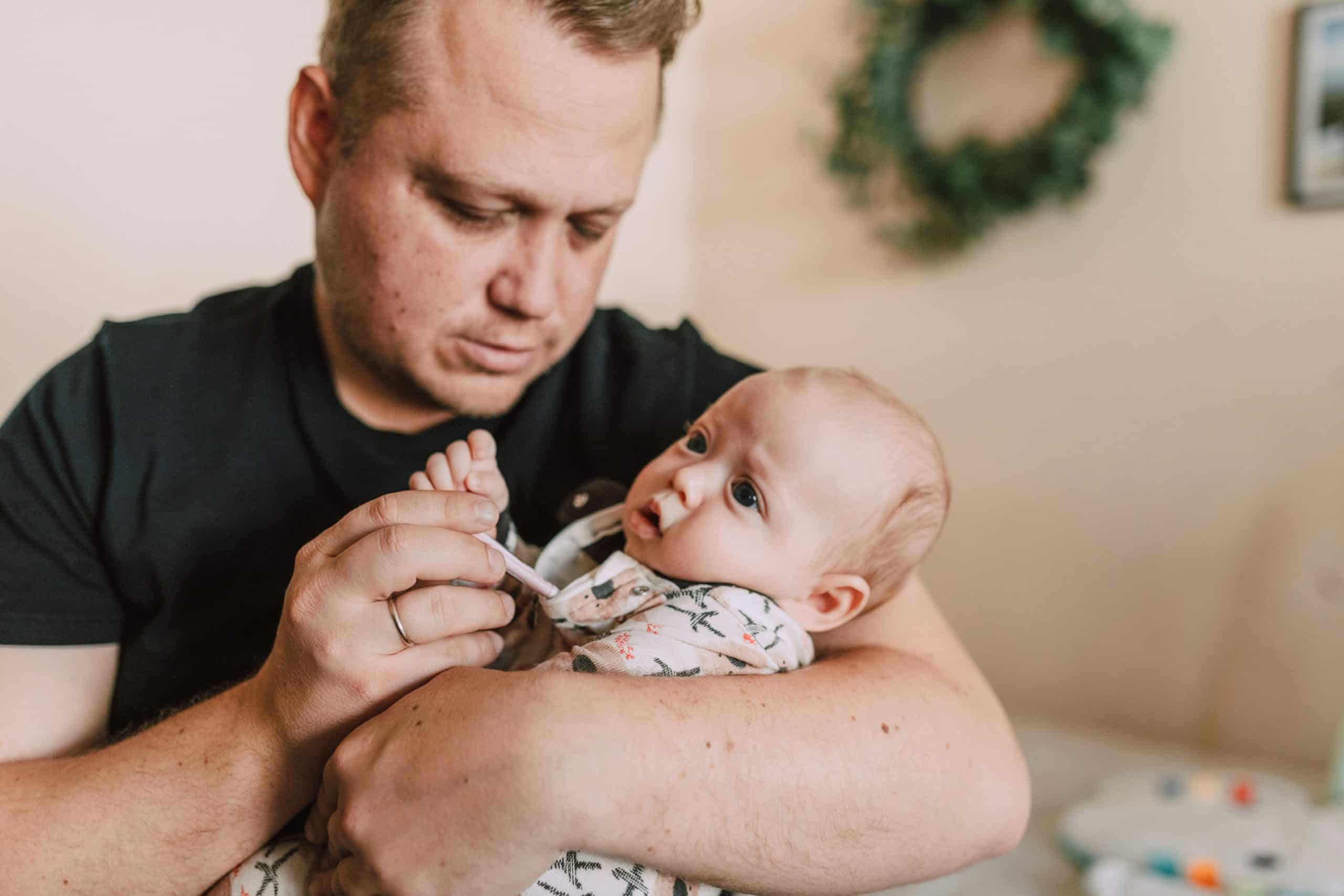
When your partner is recovering from the delivery, she is not able to take care of the child on her own. Men have to take on the responsibility of caring for the newborn, while their partner also depends on them to move around during the first few days. They have a lot on their plate, and they wonder if they are doing enough.
● History of Depression/ Anxiety
A history of mental illness, high expectations from the father, a strained relationship with the spouse, poor physical health, having a child with special needs, and financial concerns increase the risk of male postpartum depression.
● Sleep Deprivation
Sleep deprivation and disruptive circadian rhythm have been positively correlated with depressive symptoms in women. It also increases the risk of men developing PPD.
● Hormonal Changes
Fathers can also experience hormonal changes during their partner’s pregnancy and for months after the birth of their child. These hormonal changes assist the formation of a strong father-child relationship.
Studies have shown that new fathers have decreased testosterone levels, which lowers their feelings of aggression and increases their sympathetic response to a crying baby. These hormonal changes in men might predispose the father to experience postpartum depression, as low testosterone is also linked with depressive symptoms in men.
Low levels of prolactin, estrogen, vasopressin/ cortisol in new fathers can also cause difficulties in the father-infant relationship. Later, it can contribute to postpartum depressive symptoms.
● Recognize that Male PPD exists.
Changes in sleep patterns and hormones with all the big changes in the father’s life can put them at risk for developing postpartum depression. Some people do not know male postpartum depression exists, and men are often unlikely to seek mental health support compared to women. Therefore, their signs can go unnoticed, and they continue to go through depression without any support.
Why Men Have Postpartum Depression
The causes of male postpartum depression can be biological or partly due to the changes in the relationship with the spouse and the new child. Also, if you experience postpartum depression, it doesn’t mean that you don’t love your partner, your child, or the new life.
● Addition of a New Life
Instead, it is the way your body and mind react to the first few months of adding a new member to your family. The early days are usually stressful, chaotic, and destabilising, as you’re learning to care for a baby while also questioning your abilities. Even the most devoted parents can experience postpartum depression, and it is not a reflection of you as a parent. If you’re having difficulty managing everything, it doesn’t mean you’re a ‘bad dad’ or a ‘bad spouse’.
You May Like: What is Family Counselling?
● Testosterone and Depression
As discussed, when a baby enters your life, it can decrease testosterone levels. This is an evolutionary change that allows a father to bond with the child. However, low testosterone can also trigger symptoms of depression.
● Pressure to Bond and Provider for Family
Men often feel that their mother can bond with their child immediately, while they may take some time; it’s normal. However, it can leave you unsure about the new role and how you will fit into the picture.
As a new father, you also feel pressure to provide for your growing family, which can lead to stress about your career and your ability to meet financial needs.
When you’re trying to be there for your child and your spouse, you might feel that high expectations are set. Even after making the most of it, you feel guilty or feel like you are ‘not doing it the right way.’
How Male Postpartum Depression is Different from Women’s PPD
Male postpartum depression is different from that of women. 1 in 10 men may experience postpartum depression compared to 1 in 7 women.
Women are more likely to experience peak symptoms two to three months after the birth of a child; however, men usually have peak symptoms later during the first year of the baby’s birth. Men tend to display risk-taking behaviour and anger, while women tend to display hopelessness, crying, feeling sad, and loss of interest in routine activities.
Managing Paternal Postpartum Depression
Usually, it tends to be someone else and not the father who identifies the signs of depression in a new father. If you’re a dad, simply ask a new father how he is doing and reaffirm that you’re there if he needs you for anything. Tell them, they’re doing a good job. If you notice symptoms in your behaviour, seek help and reach out to a provider (your parents or your spouse’s parents) to talk about your feelings.
Concluding Remarks
It is easy to mistake men with postpartum depression to be angry, irritable, or display crappy behaviour. You can seek support through a mental health practitioner available at the Boomerang Counselling Centre. Their professional and experienced counsellors can help you develop a management plan.
Therapy and medication can help, but mindfulness practices and meditation have profound effects on depression and anxiety. You can get involved in a support group for fathers, eat well, exercise, rest, and avoid drinking or risky behaviours, as they can elevate the symptoms.
Psychotherapy, like interpersonal therapy and cognitive behaviour therapy, has been effective in alleviating postpartum depression. Educational programs that incorporate both parents, either with or without PPD, can also help navigate the new life. Support from employers, like paid paternity leave, can also help new fathers adapt to stressors and changes during the postpartum period.