Anxiety can make daily life feel challenging. It entangles you. Everyone experiences anxiety; it’s natural. But it turns into a crisis when you don’t know how to handle it. It can appear before meetings or during stress, sometimes without warning. The good news is that you can manage anxiety. This article discusses how you can deal with anxiety in a better way.
It will not go away overnight, but there are many simple ways to work through it. Learning to manage anxiety helps you feel more in control. Some techniques provide immediate relief, while others take time to be effective. The key takeaway: Practising these methods daily can make a big difference.
Understanding anxiety is the first step to managing it. Anxiety can overshadow happy moments and impact your growth. If this resonates with you, keep reading.
What Does Anxiety Feel Like
Anxiety is different for everyone. Most describe it as worry or fear. It can make your mind race. What many fail to take into consideration is that anxiety is the way your body communicates to you. It stems from a message system about what you need to do to advance yourself in life or protect yourself.
Sometimes, that messaging can be a lot. We can’t always go it alone. Support and help can put you on the track to better manage anxiety, and the messages your mind and body are sending you.
You might get stuck thinking about all the things that could happen, even when there is no reason to worry.
You May Like: How Does Your Body Respond to Anxiety
- What’s Cooking in Your Mind also impacts your body.
Anxiety affects your body: a racing heart, shallow breaths, tense muscles. You may feel shaky, sweaty, or nauseous. Some people feel a lump in their throat or experience chest tightness. Others feel restless and unable to relax.
Anxiety can impact sleep, focus, and mood. You may struggle to sleep because your mind races, or find it hard to focus as your thoughts jump around.
You might get short-tempered or frustrated without reason. Some feel constantly on edge, ready to react when it isn’t needed. This is exhausting and can affect work, relationships, and daily life.

How Do You Deal with Anxiety
Dealing with anxiety starts by accepting it as real. Anxiety is your body’s warning system—meant to protect you. Sometimes it overreacts. Understanding this enables calmer responses.
Noticing anxiety helps. Don’t fight it. Telling yourself not to feel anxious often makes it worse. Try saying, “I feel anxious now, but this will pass.” This lessens fear.
- Share your Problems with People Who Understand You
Talking about anxiety helps. Sharing with someone you trust makes it feel more manageable. Speak with a friend, family member, or counsellor. Voicing worries can make them easier to handle.
Your daily routine matters for dealing with anxiety. Anxiety often increases when life feels messy or unstable. Key takeaway: Regularly eating meals, getting enough sleep, staying active, and scheduling quiet time can help ground your mind. Building these into daily habits creates stability and can ease anxiety over time.
Avoid unhealthy coping mechanisms. Using alcohol, drugs, or excess caffeine for stress brings only brief relief and often worsens anxiety. Create habits that calm your body and mind.
How Can You Reduce Anxiety
Reducing anxiety takes small steps. A few steady habits can help many people. Slow breathing helps. Anxiety makes breathing fast and shallow. Breathe slowly in through your nose, out through your mouth—gently and steadily for a few minutes.
Exercise helps. A walk, stretching, or light movement lowers tension. Shifting focus can release stress your body holds. Challenge anxious thoughts. Anxiety imagines worst-case scenarios. Ask if worries are true, useful, or just fear. Replace them with balanced thoughts.
Learn More About: What is Social Anxiety
Why Healthy Sleep Matters for Anxiety
Sleep is crucial if you want to deal with anxiety. Our bodies heal during quality sleep, while poor sleep can make anxiety worse. To improve sleep, keep a regular bedtime, reduce screen time before bed, and make your room calm and quiet. Good sleep won’t magically solve anxiety, but it does make coping easier.
Another useful step is to cut down on things that trigger anxiety. Specifically, limit caffeine, minimize negative news, reduce excessive scrolling, and avoid too many stressful conversations. By managing these inputs, you can better protect your peace of mind.
Also Read About: The Right Way to Grief Counselling
When Should You Get Help
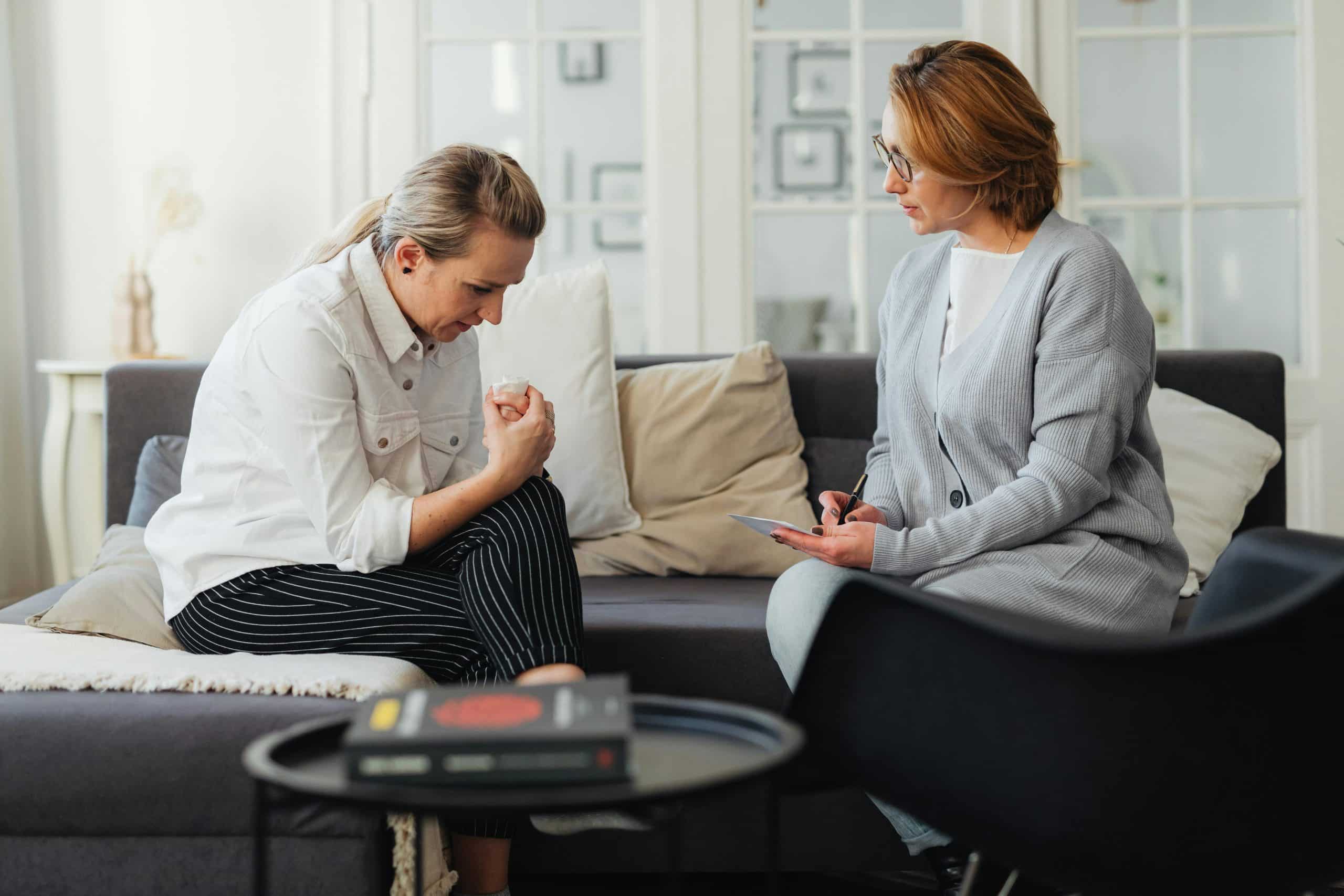
Anxiety is common. If it disrupts daily life, seek support. If worry is constant, panic attacks happen, or you avoid life because of fear, talk to a professional.
Counselling helps. A counsellor can identify your triggers, challenge your thoughts, and teach coping skills that fit your life. You don’t have to wait for things to get severe to seek support.
Final Thoughts
Anxiety needs treatment. Acknowledging anxiety and seeking solutions matters. You can learn to manage anxiety instead of letting it control your life. Understanding triggers and using coping tools—breathing, rest, exercise, and support—makes a difference. If you are struggling to deal with anxiety, Boomerang Counselling Centre is the best counselling centre to visit. Their team if Trained counsellors and
Training your mind can offer quick anxiety relief, but a step-by-step approach is more stable long-term. Once you overcome anxiety, life feels lighter.