Autism is a complex condition. It can present differently, and some symptoms of Autism overlap with other behavioral changes that might be normal in a non-autistic person.
Autism impacts communication, sensory processing, managing change, and interactions with the world. As autism is a spectrum, symptoms may vary greatly from one individual to another. Sometimes, differences are apparent in early childhood, while in others, they are not identified until teens or even adulthood.
By learning about typical symptoms of autism, parents, caregivers, and adults can make better decisions about whether it’s beneficial to consult a professional.
What Is Autism?
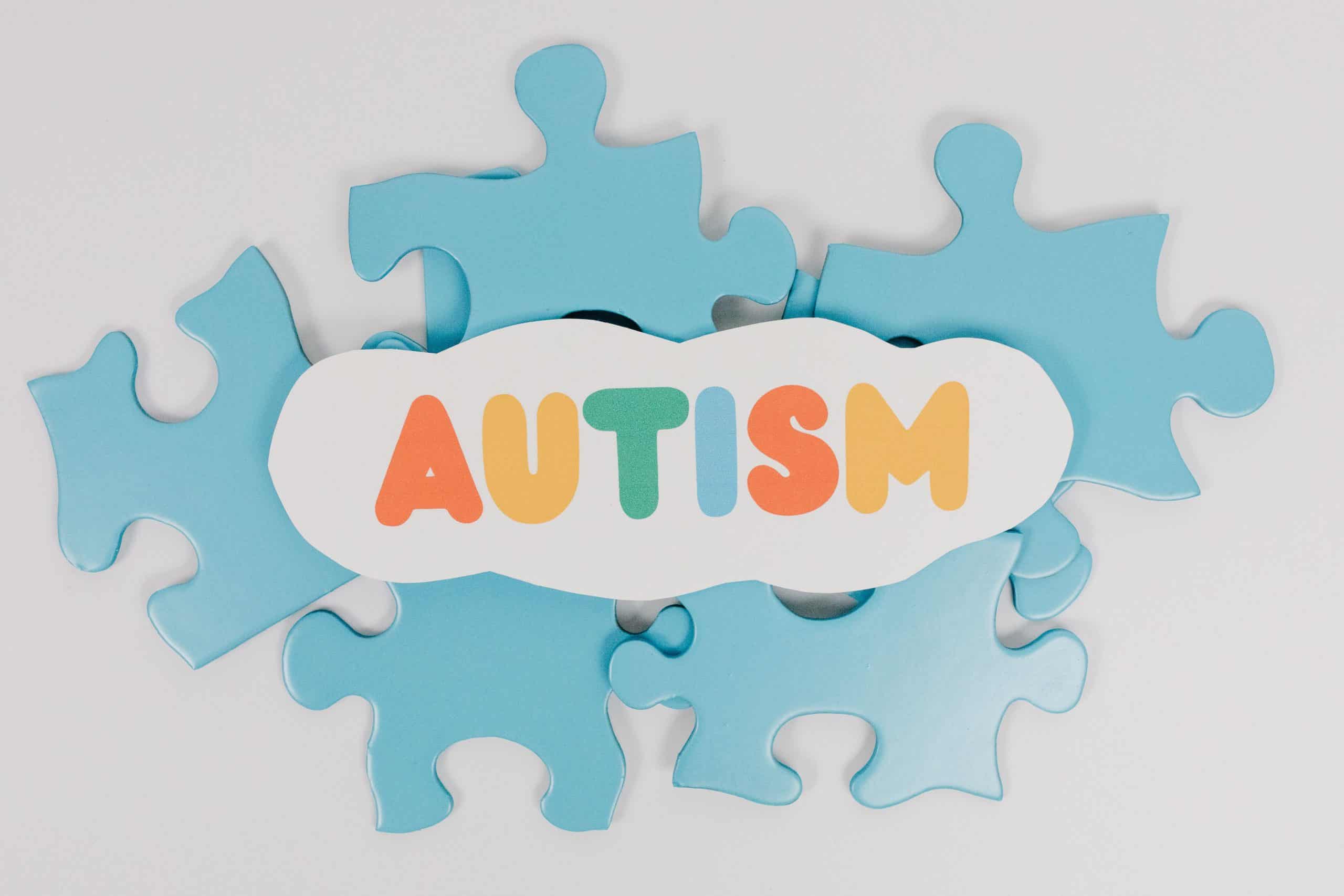
Autism spectrum disorder (ASD) is a lifelong, neurodevelopmental condition that affects the way a person experiences and interacts with the world. It includes social or communication differences and/or atypical, limited, and repetitive interests, behaviours or patterns.
The important thing to remember is that autism is not a mental disorder. It is a part of being neurodivergent. It is well noted that autistic people possess a myriad of abilities, personalities, ways of communicating, and support needs.
What Are the Usual Autism symptoms?
You might have some idea of the way an autistic person feels, but in pure medical terms, there is no single autism symptom. Instead, doctors look at a set of factors that affect a person’s daily functioning.
Social Communication Differences
For some autistic children and adults, nonverbal communication such as eye contact, facial expression, gestures, and tone of voice may be difficult to understand and/or use. Sometimes conversations can sound different, such as taking turns, recognizing sarcasm, or understanding what is meant by an indirect statement.
Early signs in younger children may include decreased responsiveness to their name, decreased pointing/gestures, and/or decreased ability to share attention. Some children may have a speech delay, or they may express themselves in other ways, such as through gestures or alternative communication systems.
Strong Interests and Repetitive Behaviours
Another common trait is a need for repetition, predictability or routine. An autistic person may lose interest in a subject, rock or flap their hands, line up objects, or get upset when a familiar routine is interrupted.
These behaviours may have various functions. Repeating things can be comforting, help self-regulate, or create a sense of predictability.
Sensory Differences
For many individuals, sensory experiences are another factor of autism. A person may be highly sensitive to one or more senses (loud noises, bright lights, textures, smells, or others).
Others have the opposite reaction and desire more sensory stimuli. They might like a repetitive movement or some specific sounds, textures or smells.
Change and Emotion Difficulties – Problems with Change or Emotional Regulation
Unexpected changes can be challenging, such as changes to plans, moving to new places or facing new situations. Some autistic people prefer routines and may need planning for transitions between activities.
If a person’s social, sensory and/or emotional needs are overwhelming, they might suffer from a meltdown or shutdown. Planning, organizing, time management and shifting from task to task may also be challenging.
The Signs of Autism May Be Present Very Early, but are Not Immediately Apparent
For young children, it may show up in their ability to look at others, make eye contact or even point and share attention; it could also show up in their ability to communicate, in repetitive play or in social games and pretend play. Challenges may be more apparent at the school-age level with friends, group activities, transitions in the classroom or routine.
As peer relationships become more complex, teenagers may become more aware of social differences. This can leave some feeling stressed or drained from trying to read social cues.
What are the signs of Autism in Adults?
Autism does not go away as people get older, but it may manifest in different ways. For some adults, it may take years to learn how to do these things. They might say they feel different from other children, that they find some social rules aren’t written, that they have to follow lots of rules, or that they feel swamped with activities in loud, busy places.
In some cases, autism can only be diagnosed in adulthood when problems with work, relationships, anxiety or everyday organization result in a professional consultation.
Autism in Women and Gender-Diverse People
Symptoms of autism sometimes aren’t as easy for others to detect in girls, women, and gender diverse individuals.
Some people learn to mimic socially appropriate actions, use social scripts to engage in conversation, try to stop repetitive movements, and watch others to understand social norms or expectations. This can be referred to as masking or camouflaging.
While wearing a mask may make it more difficult to identify autism, it can be tiring to keep up with. It may delay recognition and be associated with anxiety, burnout, or emotional distress.
Is There an Autism Test?
No definitive blood tests, scans, or Internet questionnaires diagnose autism. Screening tools can identify characteristics that may require further assessment but are not a substitute for diagnosis.
The Autism Quotient (AQ), ADOS-2, RAADS-R and SRS-2 are sometimes administered during screening or assessment. They serve different purposes, and a qualified professional must interpret the outcomes in the individual’s broader developmental context and functioning.
A formal evaluation might include interviews, developmental history, behaviour checklists, questionnaires, and information from family members, teachers, and/or caregivers. CoSymptoms of Autismnditions which can overlap with autism, like ADHD, anxiety, language differences, and more, may also be taken into account during the evaluation.
When Should You Seek an Autism Assessment?
Talk to a health professional about an assessment if ongoing challenges with communication, behaviour/or sensory processing and/or social interaction are affecting daily functioning.
If a child has communication issues, struggles to connect socially, engages in repetitive actions, reacts strongly to sensory input, and/or struggles with change, they may need support. If consistent relationship, work, routine, and sensory issues persist and affect functioning, adults may request an evaluation.
Notes on behaviours and triggers will make an appointment more useful. Parents can also provide school reports, developmental records, previous assessments and/or other information to illustrate how concerns have manifested over time.
Also Read About: All You Need to Know About Co-Occuring Autism and ADHD (AuADHD)
What Help is There for Autism?
Each person with autism should receive individual autism support based on their strengths, struggles, communication preferences, and objectives.
Support might include speech and language, occupational, behavioural or social skills, counselling, parent education and school/workplace accommodations, as needed. Other practical strategies, including visual schedules, written instructions, routine, quiet areas, and sensory supports, can also help to decrease daily stress.
Medication is not used to treat autism, but may be used to help treat other medical conditions or individual symptoms, under medical supervision.
Conclusion
Autism symptoms can look very different from one person to another. The important factors to consider is social communication differences, repetitive behaviors, sensory sensitivities, strong interests and a preference for predictability are all contributing factors, and none alone is diagnostic of autism.
It isn’t about simply labelling all the differences. It’s about identifying whether a sequence of events is affecting a person’s life and whether further assistance is needed. A careful evaluation has value, and individual counseling and practical arrangements may help people and families cope with the day-to-day demands of life.