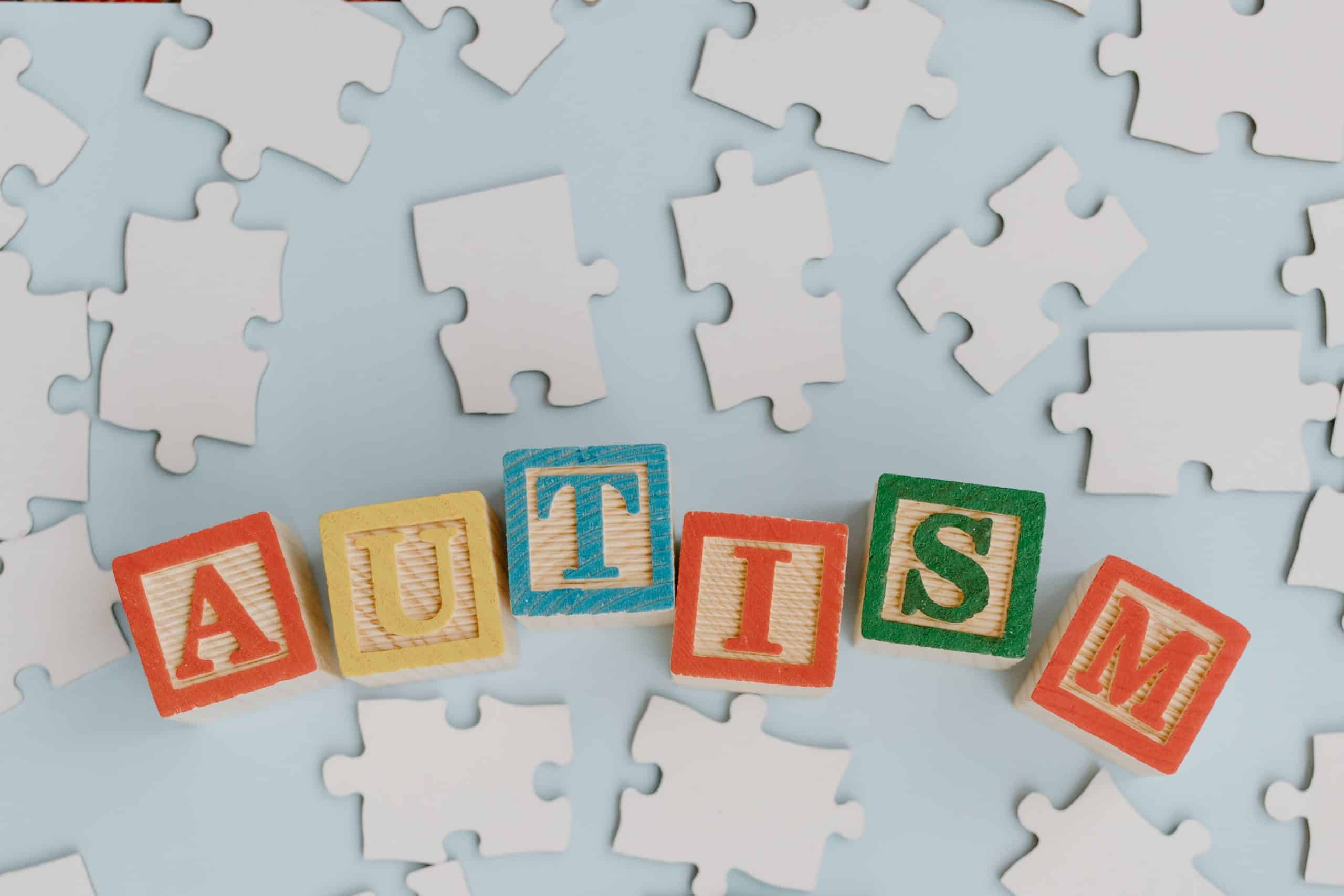
People often assume autism is a disorder that manifests only at birth or during a child’s developmental years. In reality, it is a lifelong neurodevelopmental difference, which means that an adult can also be diagnosed as autistic despite never being thought of as one. Let’s learn more about why autism is left undiagnosed and the consequences of late autism diagnosis.
An autism diagnosis may not come until adolescence or adulthood. For some individuals, the diagnosis will not arise until after years of wondering why some social situations, sensory experiences, relationships, or everyday demands feel different.
This guide examines why autism might go undiagnosed and symptoms that may occur in adults. We also explain the consequences of a late autism diagnosis and what to do if someone thinks an autism assessment might help.
How Common Is Undiagnosed Autism?
The findings presented in this article suggest that autism prevalence is about 1–2% of the population, and that bulk estimates and surveillance data vary widely across countries, age groups, diagnostic practices, and methodologies.
The research shows that in Canada, the number of children diagnosed as having autism is around 1 in 50 children and that boys are far more likely to be diagnosed with autism than girls. The CDC has also reported a significant number of autistic children in the United States who are diagnosed with autism.
Why Does Autism Go Undiagnosed?
Several factors can lead to a late or incorrect autism diagnosis. It’s not usually that one person “misses the signs.”
Rather, many of these may be present throughout the lifespan.
1. Autism Was Historically Viewed Through a Narrow Lens
Autism had been linked for years to a rather limited clinical pattern. There was a tendency for public awareness to focus on children, often boys, who had communication difficulties, repetitive behaviours and/or noticeable support needs.
Those who did not fit the mould may not have been noticed. Diagnostic history and research also focused on male presentations. This has led to worries about the extent to which girls and women are being recognized equally, if at all, as boys and men, and some gender-diverse individuals are.
Consequently, someone might hear descriptions of autism throughout their childhood and wonder: That’s not the type of person I am. They may not be aware that autism can be quite different from what they’ve seen in the media.
2. Autistic Traits Can Be Masked
Masking, or camouflaging, is a general term for the deliberate or unintentional attempt to ignore and/or minimize autistic behaviors in social interactions.
Someone may be able to learn to:
- Imitate others’ intonation and expressions.
- Rehearse conversations
- Force eye contact
- Memorize social rules
- Observe and emulate others.
- Hide repetitive movements
- Suppress sensory discomfort
- When they don’t say what they mean: Act as if you do.
- Plan thoroughly for normal social situations.
The person can be outwardly OK and socially competent. But it’s a very different story inside the car.
What Does Masking Feel Like?
Picture someone who has spent years working on communication patterns to join conversations successfully. It may seem easy for those who don’t see them preparing, but it’s not.
This can make it hard for parents, teachers, and employers, and sometimes for the clinician, to identify autism. Another important theme of the research in the source material is that long-term masking can have heavy emotional repercussions such as fatigue, anxiety, depression, and impaired sense of self.
3. Girls and Women May be Overlooked.
A common issue that is often spoken about when it comes to late autism diagnosis is that girls and women are not identified as autistic.
Not all women with autism will be “maskers,” and autism does not have a consistent appearance in women. There is a lot of variation among individuals.
Although some autistic girls learn their peers’ behavior as early as possible, they can also observe and imitate it. They might work extremely hard to understand social expectations but still appear successful on the surface.
Some Traits Like
Their interests can also seem socially normal. For example, an intense interest in a particular celebrity, fictional universe, animals, books, or another topic might be interpreted as an ordinary hobby rather than a potentially relevant part of an individual’s broader pattern of restricted or highly focused interests.
Likewise, a child who is academically successful but lacks expressive abilities may be less concerning than a child with more noticeable developmental differences.
Women are often diagnosed with autism at a later age. They sometimes are diagnosed with other diagnoses first, with masking being one reason for this.
4. Anxiety, ADHD, Depression, and Other Conditions May Mask Autism.
Autism is not alone. The autistic person can also suffer from related disorders that can hint at them also being autistic. Disorders include ADHD, Anxiety, Depression, OCD, Learning differences, and sleep disorders.
Sometimes the more obvious issue is addressed first. For instance, an individual might need support due to marked worry in social settings. Treatment can appropriately target anxiety, but the pattern of sensory differences, social communication challenges, rigid routines, and lifetime struggles may not be addressed.
In other instances, a person may be diagnosed with several conditions over the course of their life before finally being thought of as having autism.

How Should It Be Seen?
This doesn’t necessarily mean previous diagnoses were incorrect. Conditions can occur together, and treating one doesn’t exclude another.
What is crucial to remember is that anxiety and depression do not mean that all life challenges are caused by anxiety and depression.
Conclusion
Often a late diagnosis of autism starts with the idea: Something I’ve struggled with my whole life could be a pattern. Maybe it’s social situations that have always needed some work. Maybe you have been watching others for years and imitating their behaviour.
None of these are necessarily indicative of being autistic. If you’re feeling a few of the lifelong patterns, however, it might be useful to talk to a qualified professional about them.
If you’re in the North Vancouver area and want to explore autism, neurodiversity, counselling, and/or support, Boomerang Counselling Centre can offer a starting point for an autism-informed conversation about your experiences and next steps.