When it comes to children, we, as parents, are willing to go to any length to ensure our child’s physical and mental health remains well maintained. In reality, we, as parents, sometimes fail to understand our child’s tantrums and end up labeling them as spoiled.
We as parents should keep reminding ourselves more and more that our beloved child might be having frequent meltdowns or become anxious, have issues at school, struggle with friends, or feel moody and unable to find relief. Under such circumstances, not just providing them with emotional support and helping them take the right action, but also having a child psychologist on hand can prove to be of great assistance.
This article is all about your child’s mental well-being. If you are in a somewhat similar situation, finding it difficult to read your child’s emotions, this article is for you.
Who is A Child Psychologist
A child psychologist is a trained professional who understands the way children think, feel, behave, and develop. Their responsibility is not just to determine what is happening to the child and family, but also to help provide children and families with practical tools for change.
They also engage parents, carers, and possibly schools or other professionals to help understand their child’s current issues in the light of scientific evidence and their existing medical conditions, if any.
The Job of a Child Psychologist.
A child psychologist’s job is to diagnose and treat emotional, behavioral, cognitive, and developmental issues in children. They are more than just ‘feeling talkers’.
They begin by learning how a child is doing at home, at school, and in relationships, and then decide what type of support might benefit the child.
Therapy begins with the child’s assessment.
Assessment is often the initial step. This can involve discussions, questionnaires, observation, and perhaps formal psychological testing with the parent(s) and/or the child. The psychologist can use this information to determine whether the child has normal developmental issues or a problem that needs treatment.
The psychologist then develops a plan once the concerns are clarified. This usually includes individual therapy for the child, parent coaching, family work, school work, and/or a combination of these.
Common Reasons Families See a Child Psychologist
Normally, parents ask for assistance for numerous reasons. Children require therapy because of worry, fear, and/or withdrawal. It is also common among children to experience strong emotions, frequent temper, low spirits, or difficulty getting a handle on change.
As they grow, children may experience difficulties with attention, sitting still, listening, and acting impulsively. Despite many attempts, there are also children with conditions they experience development or learning difficulties, or who are facing difficulties following loss, conflict, separation, and/or trauma.
What a Child Psychologist Does in These Situations
A child psychologist can support issues related to anxiety, depression, ADHD, behavioral issues, autism related needs, and learning differences, along with social issues and emotional regulation problems, trauma, grief, and family stress.
The specific focus will depend on the child’s age and needs.
How Assessment Usually Works
Most often, the initial step in working with a child psychologist is to determine a child’s story. This usually begins with the parent or carer, who can provide useful information about past development, behavior patterns, any school problems, changes within the home, medical problems, and more.
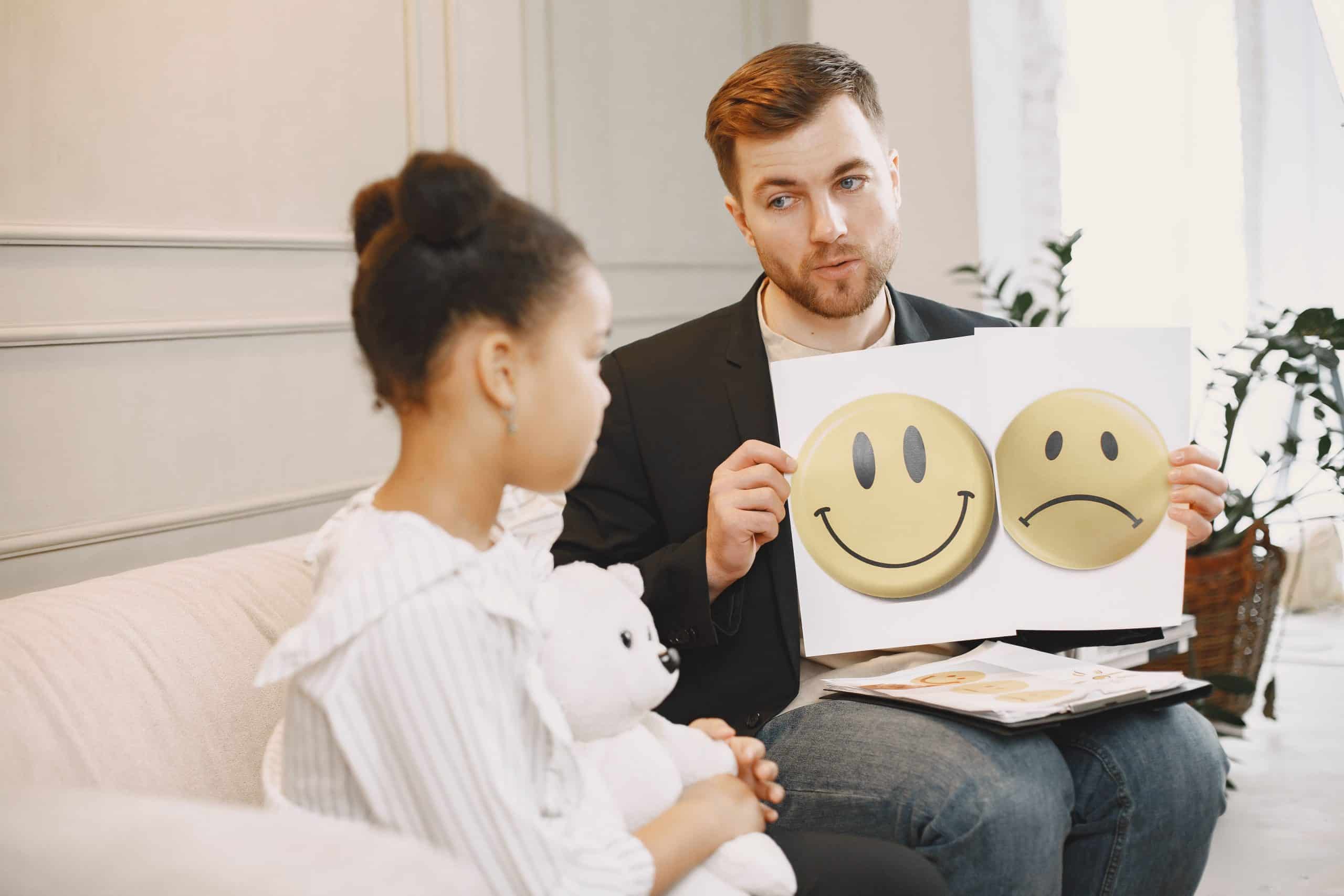
The psychologist may also have a face-to-face session with the child. Younger children may be easier to communicate with when they are playing, drawing, playing a game, or participating in a guided activity, rather than during longer conversations. Older children/teenagers may have a more open conversation about their feelings/experiences.
How they Evaluate how Your Child is being Affected?
The psychologist can use rating scales, checklists, and formal measures, as needed, to clarify what is occurring in light of the concerns. This helps distinguish between normal and atypical developmental behavior that requires intervention.
What Child Psychology Treatment Can Look Like
Child Psychologists adopt evidence-based practices that are appropriate for the child and the context. This involves strategies to address anxiety or low mood; for some children, these will be cognitive-behavioral. In other cases, it may be through play therapy, behavior interventions, parent coaching, or family therapy.
For younger children, therapy may not involve much talking but rather an opportunity to express themselves in a safe, child-friendly environment. Children may express their feelings through play, art, and/or structured activities when they cannot do so verbally.
Also Read About: How to Explain Therapy to my Teen
How is the Therapy Progressed Further?
If anxiety or emotional stress is present in the child, therapy might involve teaching coping skills, emotion management, building confidence, and gradual exposure to challenging situations.
Routines, reinforcement, parent training, and increased structure in the home may be components of treatment for children with ADHD or behavioral concerns. Therapy can help children process negative experiences, feel safe, build trust, and adjust to changes.

The Role of Parents in Child Psychology
Often, parents are an integral component in the process. Child psychology is not always about a child in a room by themself with a psychologist. In many cases, parents are involved, and progress will be more rapid.
This can be held during parent sessions, as part of shared goal-setting, by coaching the child on what to do at home, or by giving feedback on the child’s progress.
Parents are Guided to Play Their Role.
Parents may also be asked to help the child practice strategies taught during the session to use the new skills outside the session.
This is particularly critical as children need stability, structure, and emotional support from adults. This will enable parents to reinforce the plan consistently once they understand it.
What Happens in the First Session
The first appointment typically involves developing trust and understanding of the issue. The psychologist initially talks to the parent and the child together. They might want to know what led the family to come, their concerns, and the family’s expectations for change.
Often, a relaxed and friendly approach is used with children. The first session is not intended to be a test session. It’s a place of beginnings for trust. It is okay if some children take time to feel at ease and comfortable before talking.
At Boomerang Counseling Center, therapy will be ‘the child’s own’ and tailored to each child’s age and developmental readiness, ensuring a comfortable experience.
Conclusion
For a child as well as for the parents, the child psychologist offers more than just a forum for discussion. They evaluate what is happening, support them in understanding emotional and behavioral issues, and help the child and family develop new paths forward.
When a child is experiencing anxiety, behavior problems, attention, learning, or social issues, and/or emotional distress, a child psychologist can help to determine the problem and develop a plan to help the child’s development.
Parents’ role as a child psychologist may be one of clarity, guidance, and hope. If these children are given the right framework and support, they will be able to develop skills that will allow them to manage better in the present and be more confident in the future.